How to Nourish Your Body During the Luteal Phase (2026 Guide)
The menstrual cycle is a beautifully complex, monthly rhythm. For decades, the wellness industry treated our bodies as static machines—suggesting the same diet and workout routine every day of the month. But in 2026, the era of precision cycle-syncing has fully arrived.
We now know that to feel optimal, we must adapt to the different physiological "seasons" of our cycle. If the follicular phase is your inner spring, the luteal phase is your inner autumn. It is a time when the body naturally requests slowing down, turning inward, and preparing for shedding.
Yet, this phase often gets a bad reputation. The hormonal shifts that occur during these 10-14 days can trigger mood swings, heavy bloating, and severe fatigue.
In this comprehensive 2026 guide, we’ll explore the underlying biology of the luteal phase and share advanced, holistic self-care strategies to help you navigate it with grace, rather than dread.
Understanding the Biology of the Luteal Phase
The luteal phase occupies the second half of your cycle—nestled between ovulation and menstruation. Typically lasting 12 to 14 days, this phase is governed by a remarkable biological transformation.
After you release an egg, the ruptured follicle inside your ovary transforms into a temporary endocrine gland called the Corpus Luteum. This gland begins pumping out high levels of Progesterone—a relaxing, sedating hormone designed to thicken the uterine lining and sustain a potential pregnancy.
Simultaneously, estrogen levels fluctuate. If fertilization does not occur, the corpus luteum eventually shrinks, causing both progesterone and estrogen levels to drop sharply. This dramatic hormonal withdrawal is what triggers the shedding of your uterine lining (your period) and often causes the classic symptoms of Premenstrual Syndrome (PMS).
Common Luteal Phase Symptoms
Because of these profound hormonal shifts, the luteal phase can be physically noticeable. Common symptoms include:
- Mood Changes: Progesterone converts into a neurosteroid that interacts with your brain's GABA receptors. For some, this feels calming. For others, particularly when levels drop, it can lead to feelings of brain fog, heightened emotional sensitivity, or even sadness.
- Bloating and Water Retention: Often caused by the interplay of progesterone and estrogen levels affecting how your kidneys handle salt and water.
- Energy Fluctuations: The sedative effect of progesterone increases your core body temperature and basal metabolic rate, which can leave you feeling unexpectedly fatigued.
- Discharge Changes: Cervical fluid typically becomes thick, sticky, and less abundant.
2026 Strategies to Master Your Luteal Phase
You don't have to simply "survive" the days before your period. By practicing cycle-syncing, you can align your lifestyle to deeply support what your hormones are trying to do.
1. Nutritional Syncing: Feed the Phase
During the luteal phase, your metabolic rate actually increases! Your body is working hard, meaning you require more calories and specific nutrients. Understanding why your diet should change with your menstrual cycle is crucial.
- Complex Carbohydrates: Cravings for sweets are completely normal right now. Instead of spiking your blood sugar with refined sugars (which exacerbates mood swings), reach for complex carbs like sweet potatoes, brown rice, and oats. These help stabilize blood sugar and support serotonin production.
- Magnesium-Rich Foods: Magnesium is the ultimate relaxation mineral. It helps alleviate uterine cramping, reduces breast tenderness, and mitigates bloating. Focus on dark leafy greens, pumpkin seeds, and dark chocolate.
- Omega-3 Fatty Acids: To combat cellular inflammation and support mood stability, incorporate walnuts, chia seeds, and wild-caught salmon.
- Hydration Limits: While staying hydrated is important, consuming vast amounts of plain water without electrolytes during this phase can sometimes worsen water retention. Ensure you are getting adequate potassium (bananas, avocados) to balance sodium levels.
2. Adaptive Exercise: Listen, Don't Push
The high-intensity, personal-record-breaking workouts you loved during your follicular phase might feel impossible now. And that is exactly how it should be. Progesterone naturally slightly limits athletic performance and muscle recovery.
- If you must stay active, transition to low-intensity strength training, Pilates, or leisurely walking.
- If your energy is particularly low, embrace deep-stretch yoga or simply rest.
- For a complete breakdown, explore our Ultimate Guide to Cycle Syncing Your Workouts.
3. Emotional Nourishment and Mindfulness
The luteal phase naturally lowers your threshold for stress. Cortisol spikes are harder to manage right now.
- Protect Your Calendar: If possible, avoid scheduling major social events, high-stakes presentations, or intense negotiations during the late luteal phase.
- Mindfulness over Hustle: Meditation, deep-breathing exercises, and journaling are highly effective tools to navigate the emotional dips. Accept that productivity might look different this week—and that is okay.
When to Seek Professional Support
While some fatigue and minor mood changes are standard, extreme symptoms are not normal.
If your luteal phase symptoms are so severe that they disrupt your career, relationships, or daily functioning, you may be experiencing Premenstrual Dysphoric Disorder (PMDD). This is a severe biological sensitivity to normal hormone fluctuations.
We highly recommend reading our guide, Navigating the Luteal Phase: Strategies for PMDD and PMS for more targeted advice. If symptoms persist to a debilitating level, it is important to communicate this clearly to a medical professional. If you have a partner, knowing how to communicate your cycle needs can also drastically improve your experience during this challenging window.
Remember: It is Just a Phase
The luteal phase forces us to slow down in a world that demands constant acceleration. By reframing this phase not as an "illness" but as a biological invitation to rest, we change our entire relationship with our bodies.
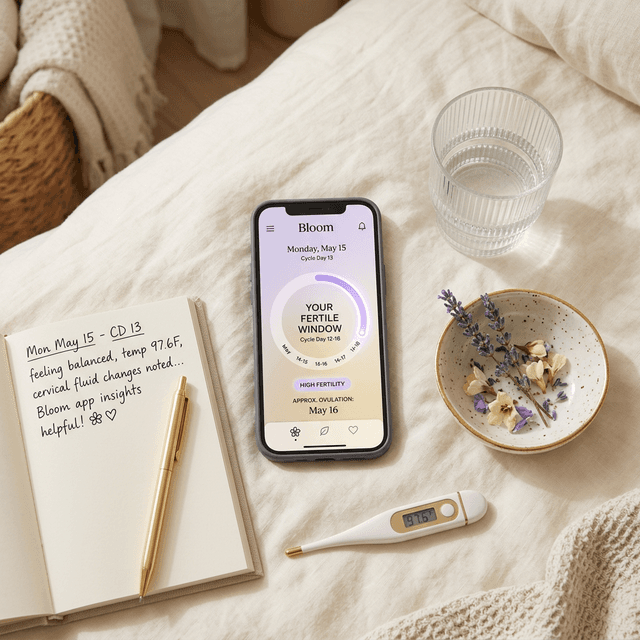
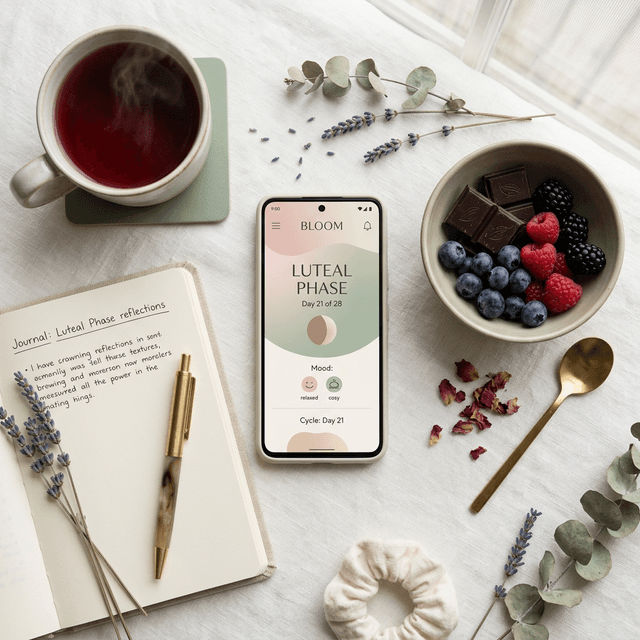
By tracking your symptoms meticulously using the Bloom app, you can move from anxiety ("Why am I so tired?") to empowerment ("I am entering my luteal phase and need to prioritize rest today").
In 2026, the greatest wellness tool you have is self-awareness. Treat your inner autumn with the respect it deserves, so your inner spring can bloom fully.
Read on the go.
Stop scrolling and start syncing. Download the free Bloom app for personalized daily insights right on your phone.