Why Your Diet Should Change with Your Menstrual Cycle
Have you ever noticed that your intense cravings completely shift throughout the month? One week, you’re craving fresh salads and light proteins; the next, you feel an overwhelming, almost primal urge for a giant bowl of pasta and dark chocolate.
For generations, women have been taught to view these cravings as a lack of willpower. We’ve been told to fight them, suppress them, and stick to a rigid, unchanging diet 365 days a year. But science tells a completely different story.
Your cravings aren’t weaknesses—they are profound biological signals.
Just like your energy levels, your metabolism and nutritional needs fluctuate dramatically alongside your shifting hormones. This continuous, infradian rhythm means that what your body needs to thrive during ovulation is vastly different from what it needs during menstruation.
Welcome to the science of eating for your cycle.
The Science of Hormonal Nutrition
The foundation of cycle syncing your diet lies in understanding the metabolic impact of your two primary sex hormones: Estrogen and Progesterone.
- Estrogen: Dominant in the first half of your cycle (Follicular and Ovulation). It makes you highly insulin-sensitive, meaning your body is incredibly efficient at using carbohydrates for fuel.
- Progesterone: Dominant in the second half of your cycle (Luteal). It slightly increases your core body temperature, raising your resting metabolic rate by roughly 100 to 300 calories a day. It also increases insulin resistance, meaning you need complex, slow-burning carbs rather than simple sugars.
By mapping your grocery list to these hormonal realities, you can reduce PMS symptoms, stabilize your mood, eliminate energy crashes, and naturally support your body’s complex internal work.
Phase 1: Winter (The Menstrual Phase)
The Vibe: Rest, Reflection, and Restoration Hormonal State: Estrogen and progesterone are at their lowest. You are losing blood and vital minerals.
During your period, the focus is entirely on remineralization and soothing the nervous system. The physical act of shedding the uterine lining is an inflammatory process, and the loss of blood means a drop in iron and zinc.
What to Eat:
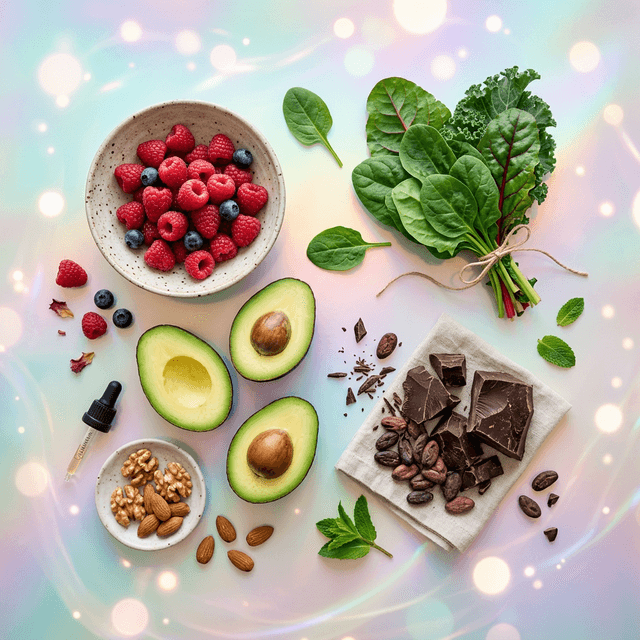
- Iron-Rich Foods: Grass-fed red meat, dark leafy greens (kale, spinach), lentils, and organ meats (if you're adventurous!).
- Vitamin C: Pair your iron with Vitamin C to increase absorption. Think bell peppers, citrus, and strawberries.
- Warming, Comforting Meals: Soups, stews, bone broths, and root vegetables. Your body is working hard, and warm, easily digestible foods require less energetic output from your digestive system.
- Healthy Fats: Omega-3s found in wild-caught salmon, chia seeds, and walnuts help combat uterine inflammation and reduce cramping.
Foods to Minimize: Extremely cold or raw foods (like icy smoothies or massive raw salads), which can be harder to digest. Minimize excess caffeine and refined sugar, as they exacerbate cramping and anxiety.
Phase 2: Spring (The Follicular Phase)
The Vibe: Renewal, Energy, and Exploration Hormonal State: Estrogen is beginning its steady climb.
As your period ends, a follicle in your ovary begins to mature, releasing estrogen. You will typically notice a natural, sustained increase in energy. Your metabolism is slightly slower right now, but your insulin sensitivity is fantastic.
What to Eat:
- Fresh, Vibrant Foods: This is the time for those raw salads, fresh fruit, and light, crisp vegetables. Your digestion is robust.
- Cruciferous Vegetables: Broccoli, cauliflower, Brussels sprouts, and kale. These are crucial right now because they contain a compound called DIM (Diindolylmethane), which helps your liver safely metabolize and detoxify the rising levels of estrogen.
- Light Proteins and Complex Carbs: Chicken, white fish, eggs, oats, and quinoa.
- Fermented Foods: Kimchi, sauerkraut, and kombucha. A healthy gut microbiome is essential for processing the hormones your body is producing.
Phase 3: Summer (The Ovulatory Phase)
The Vibe: Peak Energy, Social, and Powerful Hormonal State: Estrogen peaks alongside a sudden surge of Luteinizing Hormone (LH) and a brief spike in testosterone.
This phase is short—usually 3 to 4 days—but intense. With estrogen at its absolute peak, your body needs extra support to ensure those hormones are properly metabolized and excreted, preventing estrogen dominance (a leading cause of severe PMS later).
What to Eat:
- Fiber, Fiber, Fiber: Aim for 25-30 grams a day. Fiber binds to excess estrogen in the gut and carries it out of the body. Think raspberries, artichokes, lentils, and flaxseeds.
- Raw Vegetables: Just like the follicular phase, raw foods are highly appropriate here. Focus on the cruciferous vegetables (broccoli, cabbage) to continue supporting your liver.
- Lighter, Cooling Meals: Smoothies, large salads with diverse protein sources, and fresh juices.
- Antioxidants: Berries, dark chocolate, and green tea to support the egg release and reduce oxidative stress.
Phase 4: Autumn (The Luteal Phase)
The Vibe: Winding Down, Grounding, and Nesting Hormonal State: Estrogen drops briefly, then rises again alongside a massive surge in progesterone.
This is the phase where things often go wrong. Progesterone slows down digestion (causing luteal phase bloating and constipation) and increases your resting metabolic rate. You are literally burning more calories just sitting on the couch. This is why you feel so incredibly hungry!
Furthermore, your insulin sensitivity is lower. If you eat simple sugars now, your blood sugar will spike and crash dramatically, leading to mood swings, anxiety, and intense cravings.
What to Eat:
- Complex, Slow-Burning Carbohydrates: Sweet potatoes, squash, brown rice, and chickpeas. These satisfy the increased caloric demand and provide a steady stream of glucose, stabilizing mood and preventing sugar crashes.
- Magnesium-Rich Foods: Dark chocolate (at least 70% cacao), pumpkin seeds, spinach, and black beans. Magnesium is vital for reducing water retention, breast tenderness, and hormonal migraines.
- B-Vitamins: essential for progesterone production and preventing mood dips. Find them in whole grains, nutritional yeast, and lean meats.
- Warm, Grounding Foods: Transition away from the raw salads of ovulation and back to the warm, comforting stews, roasted vegetables, and curries.
Foods to Minimize: This is the most important time to reduce caffeine and alcohol. Your liver is working overtime to process progesterone and estrogen; alcohol severely disrupts this, directly leading to debilitating PMS.
How Bloom Helps You Eat for Your Cycle
The hardest part of cycle syncing your diet is simply remembering where you are in your cycle and what you're supposed to be eating. If you have an irregular cycle, a static 28-day calendar app will give you the wrong nutritional advice half the time.
Bloom fixes this.
By utilizing Bayesian logic and historical symptom data, our offline Bloom AI accurately predicts your unique, shifting phases. When you open the app, our adaptive "Liquid Light" interface physically changes to reflect your current biological state, offering personalized, daily wellness insights—including what foods to prioritize today.
There is no one-size-fits-all diet for the female body. Your nutritional needs are a constantly moving target. By learning to eat in harmony with your hormonal rhythm, you can finally stop fighting your cravings, and start nourishing your biology.
Read on the go.
Stop scrolling and start syncing. Download the free Bloom app for personalized daily insights right on your phone.